
The Barrera–Méndez War
The Power of the DogThis thread traces how competition for the Baja plaza escalates into a family vendetta, a contested political order, and a struggle for control of the Federation.
increasing Bearing strength in each event
 decreasing
Bearing strength in each eventdecreasingThe Baja Plaza Changes Hands

The Baja Plaza Changes Hands
A strategic appointment
After the old Sinaloan organization is scattered, Miguel Ángel Barrera assigns the Baja plaza to Blondie. The territory offers access to San Diego and other major western markets, making it one of the most valuable positions in the new Federation.
A future challenge
Adán and Raúl are not yet the plaza’s leaders, but their uncle’s arrangement gives them proximity to the business and its power brokers. The division appears stable, while the choice of a favored regional operator plants the conditions for later rivalry. Control of Baja will become a contest over routes, alliances, and who can make the most credible claim to protection.
A New Generation Moves In

A New Generation Moves In
Influence before open war
Adán and Raúl enter Tijuana society gradually, building ties with the children of wealthy families and drawing young operators into the drug business. Adán cultivates established adults and institutions; Raúl attracts the Juniors through money, access, and spectacle.
A competing base
The brothers’ strategy allows them to grow inside territory nominally controlled by Blondie. They build relationships with local businesspeople, police, and prospective couriers without declaring an immediate challenge. Their quiet expansion makes the conflict structural before it becomes openly violent: the question is no longer whether they are present, but whether the existing plaza can keep them subordinate.
Pilar Becomes the Fault Line

Pilar Becomes the Fault Line
A calculated seduction
Adán’s circle uses Fabián Martínez to draw Pilar away from Blondie, encouraging a fantasy of escape and a new life abroad. The plan is designed to weaken Blondie emotionally and financially while bringing money and leverage into the Barrera campaign.
Revenge turns irreversible
Fabián takes Pilar’s money and children as part of the escape plan, then kills her and sends her severed head to Blondie. The betrayal is both political and intimate: it transforms an effort to destabilize a rival into a personal atrocity that cannot be settled by ordinary business terms.
A Plaza Divides

A Plaza Divides
Choosing sides
After the deaths of Pilar and her children, Blondie retaliates against members of the Barrera family. Adán responds by reorganizing the Baja network around a lower fee and independent operators, offering dealers better terms and a choice between Barrera protection and Blondie’s rule.
Economic pressure becomes firepower
The “Coca-Cola or Pepsi” choice converts market competition into an allegiance test. Dealers migrate toward the more profitable Barrera network, while killings and burning vehicles enforce the divide. Adán’s model erodes Blondie’s ability to move product, but the competitive advantage does not end the violence; it concentrates the conflict around who controls the plaza and its protection system.
The War’s Bloody Settlement
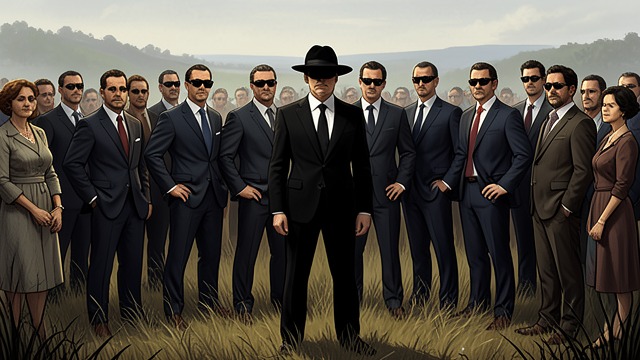
The War’s Bloody Settlement
Escalation and attempted peace
Blondie’s attack on La Sirena nearly kills the Barrera brothers, and the ensuing street battle deepens the feud. Bishop Juan Parada attempts to arrange peace, but both sides treat the meeting as an opportunity to ambush the other. At the airport, the clash kills Parada and several bystanders while Blondie escapes.
Victory without reconciliation
The Barreras later exploit their political and commercial advantages to isolate Blondie, who is ultimately killed. Adán’s public gestures of reconciliation restore business and bring former rivals under his protection, but the apparent settlement conceals continuing vendettas. The war’s conclusion is therefore an unstable victory, built on the belief that control can replace justice.
Late 1970s, after Operation Condor
1985, during the Barrera brothers’ expansion in Tijuana
Early 1990s, after Miguel Ángel Barrera’s imprisonment
1994, during the Baja cartel war
1994–1997, from the La Sirena attack to the seaside confrontation
